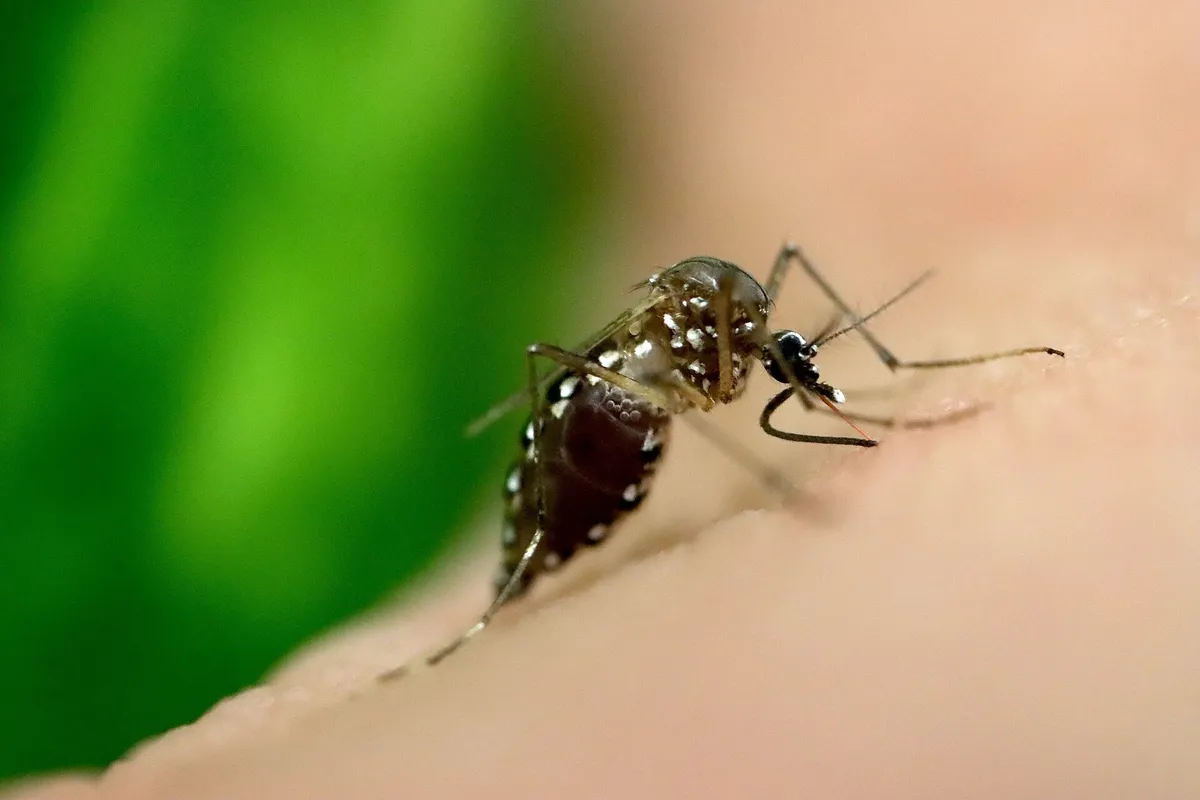
Photo: NIAID / Wikimedia Commons (CC BY 2.0)
Anyone travelling to El Paraíso, Honduras, should guard against mosquito bites and get a chikungunya vaccine, the CDC said in a travel notice reporting an outbreak of the virus there.
Level 2 is where the CDC has placed the outbreak in its travel notice for chikungunya in Honduras, which means travellers should take enhanced precautions. Its most recent review was on Wednesday, Nov. 25.
Mosquitoes carry chikungunya, a virus, and pass it to people when they bite. There's no specific treatment for it.
Fever and joint pain are the most common symptoms. They usually appear three to seven days after an infected mosquito bites, and some people also get a headache, muscle pain, swollen joints or a rash.
Within a week, most people recover. Some, though, live with severe joint pain for months or even years. Deaths are rare.
Newborns infected around the time of birth run a higher risk of severe illness, as do adults aged 65 and over and people with illnesses like diabetes or heart disease.
To keep mosquitoes away, the notice puts insect repellent first, then long sleeves and long trousers, and a place to stay with air conditioning or screens over windows and doors.
Beyond bite prevention, the CDC recommends a vaccine. "Vaccination is recommended for travelers who are visiting an area with a chikungunya outbreak," the notice said.
Healthcare providers are asked to go over the benefits and risks with each traveller, weighing age, health conditions, destination, how long the trip lasts and what the traveller plans to do.
Pregnant travellers get stricter advice. "If you are pregnant, reconsider travel to the affected areas, particularly if you are close to delivering your baby," the CDC said. Mothers infected close to delivery can give the virus to their babies before or during birth.
Pregnancy changes the vaccine advice as well. "In general, vaccination against chikungunya should be deferred until after delivery," the notice said. Those at high risk who can't avoid exposure should bring it up with a healthcare provider, it added.
Travellers who come down with fever, joint pain, headache, muscle pain, swollen joints or a rash during or after the trip should get medical care, the CDC said.
Related Posts

From Clay to Creation: Unleashing Your Pottery Superpowers
Pottery, an ancient art form dating back thousands of years, continues to captivate and inspire people around the world. Working...

Exploring new places: Tips for planning and enjoying a solo trip
Traveling solo can be an incredibly rewarding experience, allowing you to explore new places at your own pace and connect...

Springtime in Europe: Exploring the Charms of Málaga and Beyond
Springtime in Europe is a magical time when the landscapes come alive with color and life after the long winter...